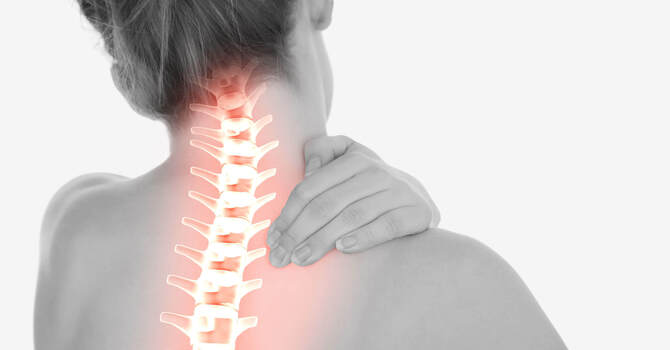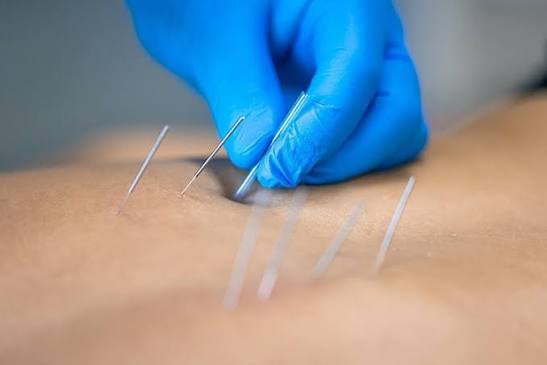
Dry needling is a technique used by physiotherapists to treat muscle pain and dysfunction. It involves inserting very thin, sterile needles into specific points within a muscle known as trigger points which are tight, hyper-contracted, sensitive areas that can cause pain, stiffness, and restricted movement.
It is called “dry" needling since it does not involve injecting any substance. The goal is to stimulate a response in the muscle. When the needle contacts a trigger point, it may produce an involuntary contraction that feels like a brief muscle twitch. This has been shown in scientific studies to help release tension, improve circulation, and restore normal muscle function.
Dry needling works through both mechanical and neurological effects. Mechanically, it helps relax tight muscle bands and may reduce local irritation. Neurologically, it can influence how the nervous system processes pain, often decreasing sensitivity in the treated area. This combination can lead to reduced pain and improved mobility.
Physiotherapists use dry needling as part of a broader assessment of movement, strength, and biomechanics. When combined with exercise and other physiotherapy treatments, dry needling can support more effective and lasting recovery.
How Is It Different from Acupuncture?
While both dry needling and acupuncture use similar needles, their underlying principles are different. Acupuncture is based on traditional Chinese medicine and focuses on restoring the flow of energy, or “qi,” through pathways in the body. In contrast, dry needling is grounded in modern Western medicine and targets specific muscle and connective tissue dysfunction rather than addressing systemic energy balance.